Summer Real Estate Marketing: 12 Ideas to Turn Peak-Season Traffic Into Leads
Roughly 40% of annual home sales take place between May and August, making summer one of the most active periods in the housing market. Buyers are motivated by school schedules, favorable weather, and relocation timelines, while sellers often list their homes to take advantage of increased demand.
That doesn't necessarily mean leads come more easily, though. While more people are looking, they're going to be comparing multiple agents before deciding who to contact. But, with a strong summer marketing campaign, that agent could be you.
Read on to discover 12 new ideas for your summer real estate marketing campaign.
Table of Contents
With more eyes on them, every agent is probably sending emails, posting listings, hosting events, and running ads. The difference often comes down to what happens after: in other words, how successful the conversion is.

Whether your marketing campaign starts online or offline, make it as easy as possible for customers to take the final step.
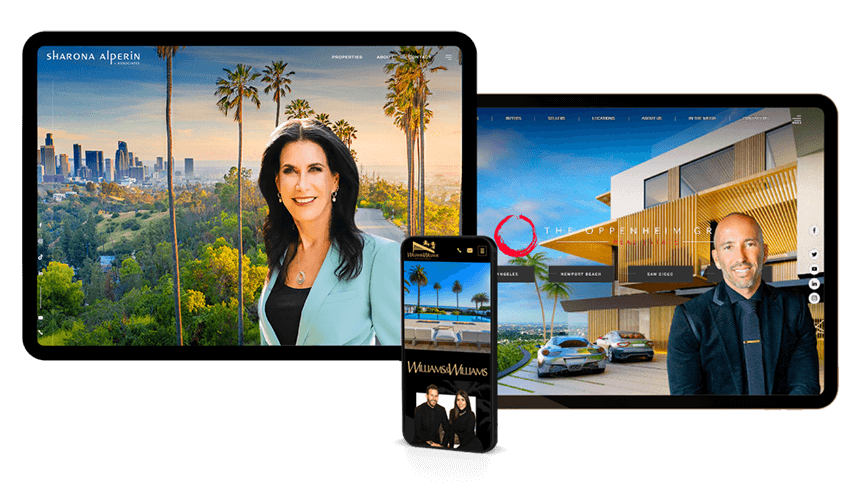
Every marketing campaign should make it as easy as possible for prospects to continue their journey, whether that's searching listings, requesting a home valuation, or learning more about your market. Your website plays a central role in making that happen, and here are 12 ways to do it:
-
Create a Seasonal Landing Page
A dedicated landing page gives your summer campaign a clear focus.
Instead of sending visitors to your homepage, direct them to a page built around a seasonal theme. Depending on your market, that might include waterfront homes, properties with pools, homes near parks, or move-in-ready listings for families hoping to settle before the school year begins.
-
Refresh Your Homepage for the Season
Your homepage doesn't need a complete redesign every few months, but seasonal updates can keep it feeling current.
Swap in photography that reflects the lifestyle buyers are looking for this time of year. Outdoor living spaces, neighborhood parks, patios, beaches, hiking trails, or local summer events all help reinforce a sense of place. If your market has a distinct summer identity, your website should reflect it.
-
Highlight Summer Listings
Summer inventory often changes quickly, making it worth giving new listings extra visibility
Feature a section on your homepage for "Just Listed," "Summer Picks," or upcoming open houses. Rotating these properties regularly gives returning visitors a reason to check back and helps draw attention to homes that match seasonal demand.
-
Give Neighborhood Pages a Seasonal Perspective
Neighborhood guides are valuable throughout the year, but summer offers additional opportunities to showcase the communities you serve.
Consider highlighting local farmers markets, outdoor concerts, waterfront activities, parks, trails, community pools, or seasonal festivals. Visitors researching an area aren't only evaluating homes—they're also imagining what life there looks like.
That local content can also strengthen your visibility in search results by expanding the topics your website covers.

Does your market have a strong summer identity? Emphasize it in your materials.
-
Offer a Summer Relocation Guide
Relocation activity often increases during the summer months, especially for families planning a move before school starts.
A downloadable relocation guide can answer common questions about neighborhoods, commuting, schools, local amenities, and the buying process. Offering the guide in exchange for an email address gives you a practical way to stay connected with prospective buyers who may still be early in their search.
-
Promote Saved Searches Through IDX
An IDX-powered property search is one of the most effective lead generation tools available to real estate agents.
Rather than encouraging visitors to browse once and leave, invite them to save their searches and receive alerts when new listings become available. Seasonal searches can make this even more relevant— for example, homes with pools, golf course properties, waterfront listings, or homes within a specific school district.
The alerts keep visitors engaged long after their first visit to your website.
-
Publish a Summer Market Report
Market updates continue to be one of the most useful resources for buyers and sellers.
A summer report might cover inventory levels, average days on market, pricing trends, or neighborhood activity. Presenting that information as a downloadable resource gives visitors another reason to share their contact information while reinforcing your local expertise.
-
Create a Seasonal Home Valuation Page
Summer is often one of the busiest listing seasons of the year, making it an ideal time to promote home valuation requests.
Rather than relying solely on a general contact page, create a landing page specifically for homeowners considering a summer sale. Explain what they'll receive, outline the benefits of requesting a valuation, and include a simple form that makes it easy to get started.
A dedicated page also gives you a stronger destination for paid ads, email campaigns, and social media promotions focused on attracting sellers.
-
Connect Every Campaign Back to Your Website
Summer marketing often extends beyond your website. Open houses, community events, local sponsorships, direct mail, and social media all help introduce your business to new audiences. The next step should always be just as intentional.
Instead of treating each campaign as a standalone effort, give visitors a clear reason to continue online. A QR code at an open house can direct buyers to similar listings. A social media post can link to a seasonal landing page. An event flyer can encourage homeowners to request a summer home valuation.
When every campaign points back to your website, you're creating more opportunities to capture leads, continue the conversation, and measure what's working. Your website becomes the hub that connects every piece of your summer marketing strategy.
-
Refresh Your Testimonials
As you close summer transactions, update your website with recent client reviews and success stories.
Current testimonials reinforce that you're active in the market and provide fresh social proof for prospective clients evaluating their options.

-
Review the Mobile Experience
Many buyers browse listings while traveling, attending open houses, or exploring neighborhoods. A website that loads quickly and works well on a phone helps visitors stay engaged wherever they happen to be.
Take a few minutes to review your own website on different devices. Check page speed, property search, contact forms, and navigation to make sure everything works as expected.
-
Update Your Calls-to-Action
Calls-to-action don't have to stay the same all year.
Seasonal messaging can make your website feel more timely and relevant. Phrases like "Browse Summer Listings," "Find Your Next Home Before School Starts," or "Request Your Summer Home Valuation" reinforce the campaign visitors responded to and create a more consistent experience from start to finish.
Make Every Visit Count — No Exceptions
An accessible site means more people can engage with your business.
Frequently Asked Questions
Summer is peak home-buying season, so listing views, open house attendance, and website traffic all spike. Without a plan to capture that traffic, most visitors browse and leave without ever becoming a lead.
Low-friction calls to action on listing pages tend to help: instant valuation tools, "schedule a showing" buttons, gated content like neighborhood guides. Generally, the easier it is to take the next step, the higher the conversion rate.
Quite important. Summer tends to bring the highest open house foot traffic of the year. Capturing visitor contact info digitally, rather than just a paper sign-in sheet, and following up within a day or so, can turn casual visitors into real leads.
Lifestyle-driven content tends to perform well: outdoor living spaces, curb appeal, local summer events, neighborhood highlights. Posts that sell the season, not just the square footage, often see more engagement and shares.
It's worth considering. Competition for buyer attention is highest in summer, so targeted paid search and social ads (geo-targeted to your market) can help maintain visibility against other agents and portals bidding for the same eyeballs.
Build a Website That Supports Every Campaign
Every marketing effort should lead somewhere that encourages visitors to take action. Agent Image builds real estate websites with custom landing pages, integrated IDX search, and lead capture tools designed to support your marketing throughout the year.
Whether you're refreshing your current website or planning a larger redesign, our team can help you turn peak-season traffic into qualified leads. Explore our website packages or schedule a consultation to learn more.