What Are Real Estate Drip Campaigns and How Do They Turn Leads Into Clients?
SUMMARY: Our comprehensive guide explains what real estate drip campaigns are, which email sequences work best, and how agents can use automated follow-up to turn leads into clients over time.
Any agent knows that leads don’t always move quickly. People research, pause, and come back when the timing finally makes sense.
Real estate drip campaigns give agents a simple, structured way to stay in touch without hovering or going silent. So, instead of sending scattered emails, you create automated sequences that deliver useful information at the right pace.
In this guide, we’ll walk through what real estate drip campaigns are, how they work, and how to use them to turn steady communication into real conversations.
Table of Contents
What Are Real Estate Drip Campaigns?
A real estate drip campaign is a series of automated emails sent over time to nurture a lead. The goal is simple: stay relevant while someone moves through their decision-making process.
Unlike a one-time email blast, drip campaigns are designed to feel personal and timely. They’re built as email sequences, meaning the messages are written in advance and delivered on a schedule. Sometimes that schedule is based on time. Sometimes it’s based on triggers, like a new buyer lead, a seller downloading a home valuation, or seasonal timing.

Real estate drip campaigns are pre-written email sequences delivered automatically on time-based or trigger-based schedules to feel personal and relevant.
Why Real Estate Agents Need Drip Campaigns
Drip campaigns help you stay in touch with clients throughout their journey without constant manual follow-up. By sending helpful information at a steady pace, you build familiarity and trust while your email marketing keeps lead nurture moving in the background.
4 High-Conversion Real Estate Email Marketing Ideas
Below are five practical automated sequences agents use to stay consistent and get more value from their email marketing.
-
New lead welcome series
This is typically your chance to make a good first impression while things are still fresh. It helps a new lead get to know you, understand how you work, and feel like they’re in the right place.
What to include: A short introduction, what happens next, and one immediate piece of value, like a market snapshot or a buyer/seller guide.
Timeline: 3–5 emails over the first two weeks.
-
Buyer education drip
A lot of buyers, especially first-timers or people relocating, have the same questions. This sequence gives them a clear path forward and keeps them learning without overwhelming them.
What to include: Mortgage pre-approval basics, neighborhood comparisons, inspection advice, and a simple walkthrough of the closing process.
Timeline: 6–8 emails over 2–3 months.
Trigger: A lead indicates buyer intent, saves listings, or requests a showing.
-
Seller preparation sequence
This campaign helps sellers get grounded in what actually affects their outcome, while showing them you know the market.
What to include: Home value ranges, prep and staging guidance, market timing insight, and a competitive market breakdown that explains what sells quickly in your area.
Timeline: 4–6 emails over 1–2 months.
Trigger: A homeowner downloads a seller guide or requests a valuation.
-
Past client re-engagement
Past clients are often your most reliable source of repeat business and referrals. This sequence keeps the relationship warm in a way that feels natural and low-pressure.
What to include: Home anniversary messages, equity updates, renovation ROI notes, investment opportunities, and a simple referral ask.
Timeline: Quarterly or semi-annually.
Best for: Re-engaging your warmest audience in a way that feels natural
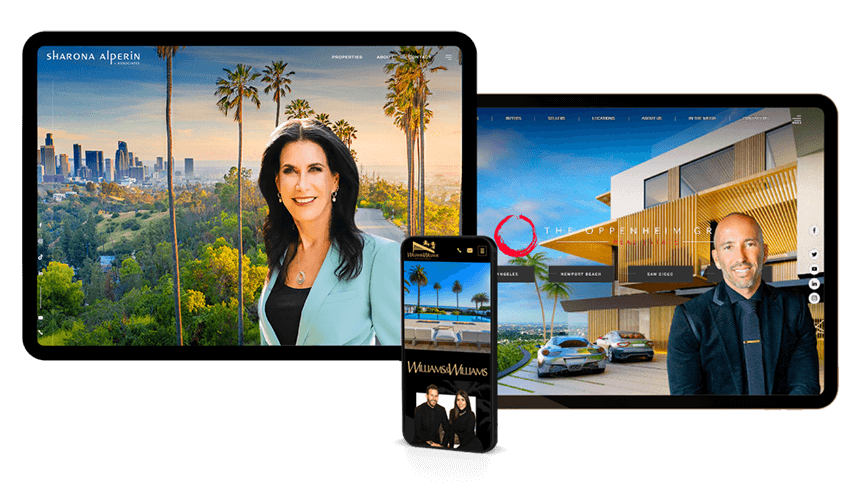
Your next lead is one click away.
Is your website ready to impress—and convert— the moment they land?
How to Set Up Your Real Estate Email Drip Campaign
Setting up a drip campaign doesn't require a marketing degree, but it does require a clear plan and the right tools. Here's exactly how to build one from scratch.
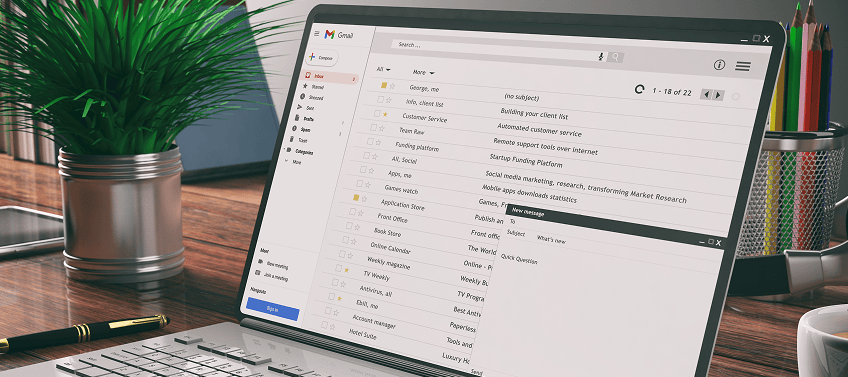
It's best to pick an email platform with automation, then segment your contact list so each group gets relevant emails.
Step 1: Choose Your Email Marketing Platform
You need software that can send emails automatically based on triggers, like when someone downloads your buyer guide or fills out a contact form. The good news is you don't need enterprise-level software to get started; tried-and-tested platforms like Mailchimp and GetResponse offer free plans.
Step 2: Define Your Audience Segment
A first-time buyer and a luxury seller are in very different places, and you wouldn’t send them the same email.
Here are simple ways you can segment your audience:
-
Active buyers
-
Future buyers (6+ months out)
-
Potential sellers
-
Past clients
-
Sphere of influence
From there, try narrowing things down by area, price range, property type, or even lead source.
PRO TIP: In your platform, create tags or lists for each group. Make sure you’re tagging leads as they come in, whether manually or through automation. Then build separate drip campaigns for each segment.
Step 3: Map Your Email Sequence
Before you write anything, outline the journey. Decide how many emails you’ll send, what each one should cover, and how often they should go out. A simple plan keeps the sequence clear, intentional, and easy to write.
Step 4: Write Valuable Content
Each email should do one job: answer one real question your lead has.
Try to keep subject lines short and specific. Write around 150–250 words that teach one thing clearly, using bullets or subheads so it’s easy to scan.
Don’t forget to sprinkle in local details to make it feel real, then end with one simple CTA. Early on, that can be “Reply if you have questions.” Later, it can be “Here’s my calendar.”
Across the full sequence, try to aim for: 60% education, 20% local market insight, 10% personal context, 10% direct asks. (These are guidelines, not hard rules!)
Step 5: Set Up Automation and Triggers
You tell your platform: when X happens, start Y sequence. Common triggers include:
-
New lead enters your CRM
-
Someone downloads a buyer or seller guide
-
A lead opens multiple emails in a row
Then set your timing, add exit rules (like stopping the sequence if someone books a call), and turn it on.
Step 6: Test Before You Launch
Don’t skip this step! Send the full sequence to yourself and at least one other person who will give honest feedback.
Testing checklist:
-
All links work (click every one)
-
Images load correctly
-
Personalization fields show real names
-
Emails look good on mobile and desktop
-
Subject lines aren’t cut off on phones
-
Unsubscribe link works
-
Contact info is correct
-
No typos or formatting issues
-
Tone feels consistent
-
Each email has a clear CTA
Step 7: Monitor and optimize
Once your campaign is live, don’t just “set it and forget it.” Check in regularly and make small adjustments over time.
Here’s a simple way to stay on top of it:
-
Review performance weekly during the first month, then monthly after that.
-
Track the basics: open rates, clicks, unsubscribes, and conversions.
-
Tweak what’s not working. Low opens? Adjust the subject line. High clicks? Create more emails like that one.
-
Refresh content monthly. Update market stats, seasonal references, and remove underperforming emails.
-
Fix broken links and formatting issues before they become bigger problems.

Frequently Asked Questions
Start with weekly emails for the first month, then shift to bi-weekly or monthly for long-term nurture.
Industry benchmarks sit at around 20-25%. Personalized subject lines and valuable content can push this to 30-40%.
No—segment at minimum by buyer vs. seller. You’ll get higher engagement when your real estate agent email templates are tailored to each audience.
Yes! Past clients are your best source for referrals and repeat business. A quarterly re-engagement campaign keeps you top-of-mind.
Want Your Email Marketing to Work Harder?
Agent Image builds custom real estate websites designed to capture leads and support drip campaigns, so your follow-up starts strong and stays consistent. Book a demo or call us at 1.800.979.5799.